Ramadan is more than just fasting—it’s a month full of stories, lessons, and beautiful habits that help children grow in faith and character. This guide is written for parents and teachers who want to explain Ramadan history, hadith, and etiquette to kids in a way that’s simple, meaningful, and age-appropriate.
This article supports our main guide on Ramadan for Kids and can be used as a standalone learning resource at home or in class.
History of Ramadan
When children ask, “Why do we have Ramadan?” they’re really asking for a story.
What Is the History of Ramadan for Kids?
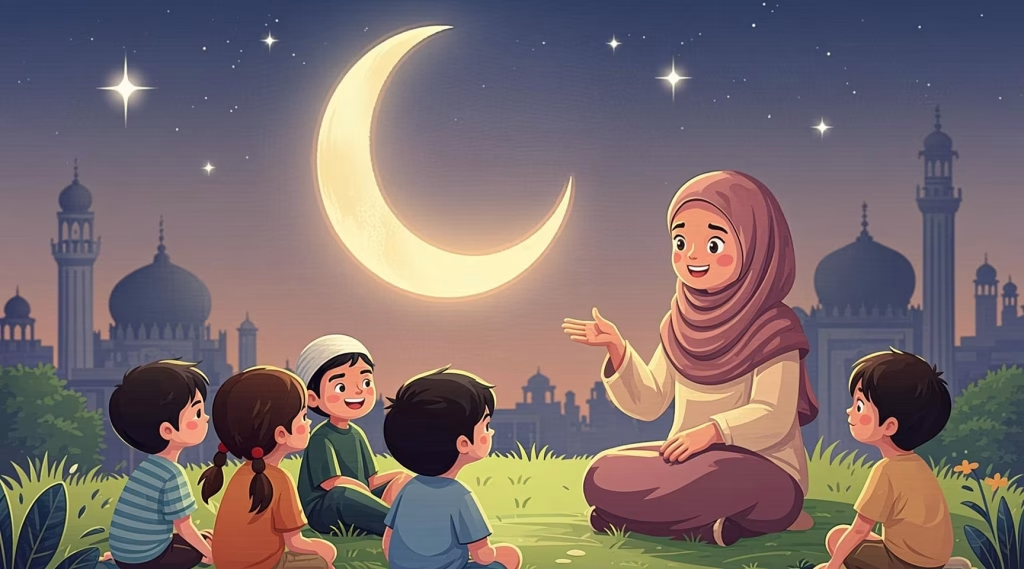
Ramadan began when Allah revealed the first verses of the Qur’an to Prophet Muhammad ﷺ. This moment happened in the Cave of Hira and marked the start of Islam’s message to humanity.
For kids, you can explain it like this:
Ramadan is the month when Allah sent guidance to help people live good lives
The Qur’an teaches us how to be kind, honest, and thankful
Muslims fast to remember Allah and to learn self-control
The Qur’an says:
“The month of Ramadan is the one in which the Qur’an was revealed as guidance for mankind.” (Surah Al-Baqarah 2:185)
Ramadan is a special month when Muslims try to be better by fasting, praying, and being kind.
Why don’t young kids have to fast?
Islam is gentle. Children fast only when they are ready. Young kids can practice by fasting for a few hours or doing good deeds instead.
How can I teach Ramadan history to my child?
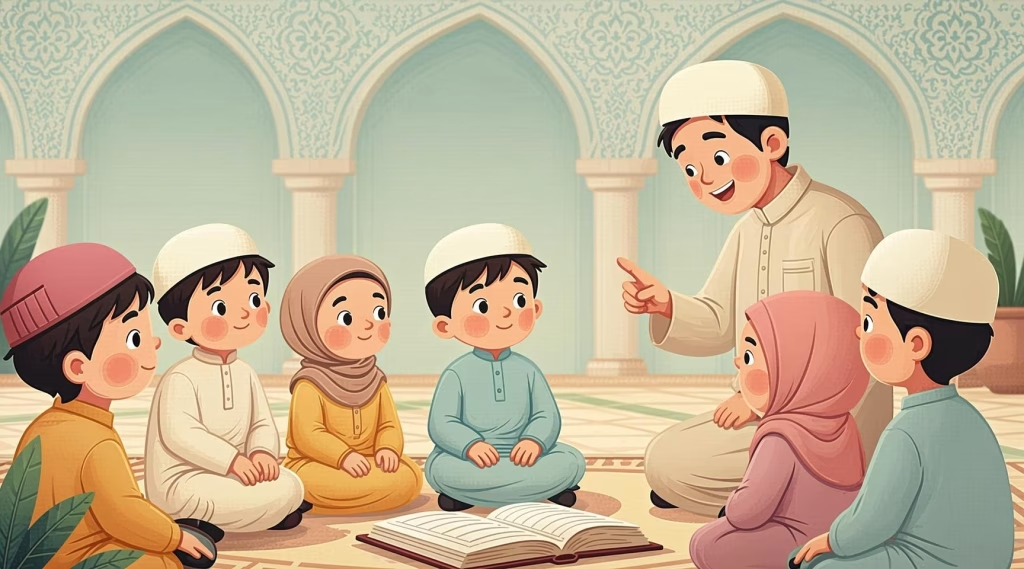
Use stories, simple Qur’an verses, and short discussions at bedtime or after iftar.
What are good Ramadan habits for children?
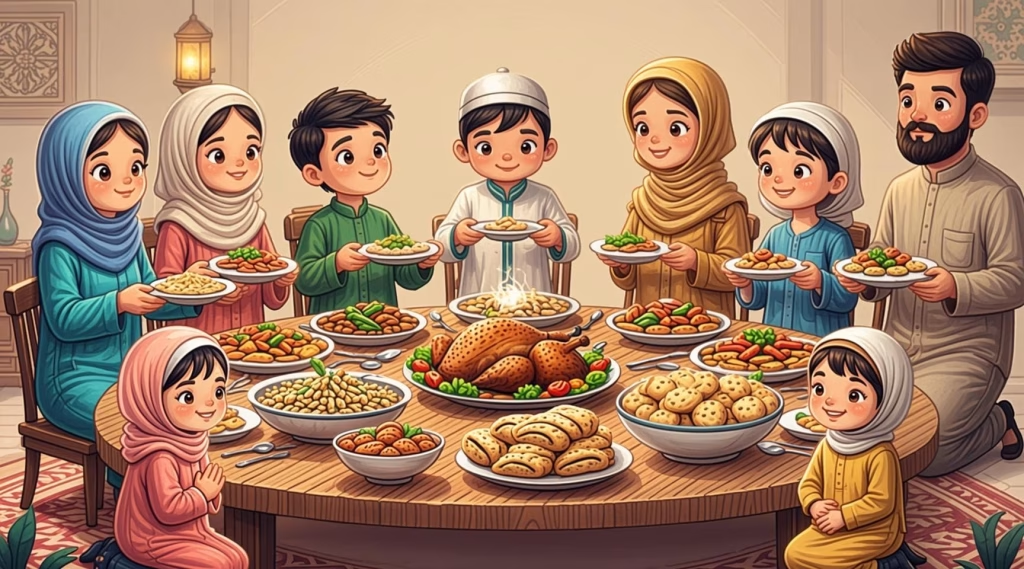
Kind speech, helping others, praying, reading Qur’an, and showing patience.
Are hadith important for kids to learn?
Yes. Short hadith help children understand Islam through practical examples from the Prophet ﷺ.
A Gentle Note for Parents
Teaching Ramadan history, hadith, and etiquette to kids doesn’t require long lectures. Small daily conversations and consistent examples make the biggest impact.