

Ramadan can feel abstract for children if it’s only explained through rules. Stories, poems, and nasheeds turn Ramadan into something they can feel, imagine, and remember. This guide brings all three together in one place—simple, meaningful, and parent-approved.
This page supports our main guide on Ramadan for Kids. If you’re looking for a complete, step-by-step explanation of Ramadan for children, start with the pillar page here:
Ramadan for Kids – Complete Parent Guide
Ramadan Stories (English)
Stories are the easiest way to introduce Ramadan to kids. They explain why we fast, how we behave, and what Allah loves—without sounding like a lecture.
Why Stories Work So Well
- Kids relate to characters, not concepts
- Stories build emotional connection to worship
- Moral lessons stay longer than instructions
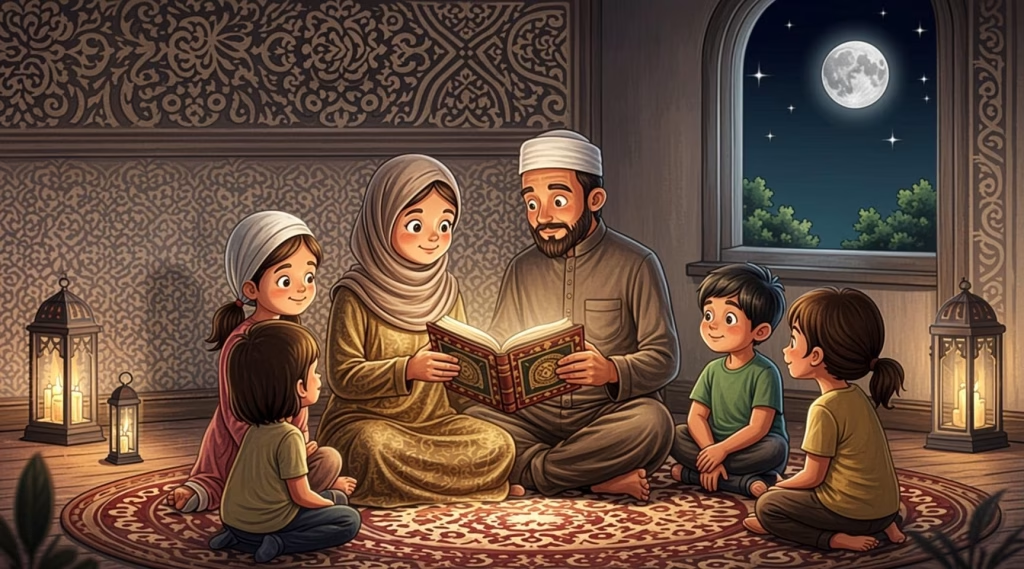
Example: A Simple Ramadan Story for Kids
A young child notices their parents waking up early for suhoor. Curious, they try fasting for a few hours. At iftar, they feel proud—not just because they were hungry, but because they tried something for Allah. The family praises effort, not perfection.
That’s the core Ramadan lesson for kids: intention matters.
👉 Explore full stories here:
- Ramadan Story for Kids (English)
- Short Stories About Ramadan for Kids
- Ramadan Story for Kids in English
Short Moral Lessons
After a story, kids often ask questions. That’s your teaching moment.
Easy Lessons to Highlight
- Fasting teaches patience, not punishment
- Dua is simply talking to Allah
- Charity means sharing what we love
- Good manners matter more in Ramadan
Parent tip: Ask one question after the story:
“What did the character do that Allah would love?”
That’s it. No long speeches needed.
Poems & Rhymes
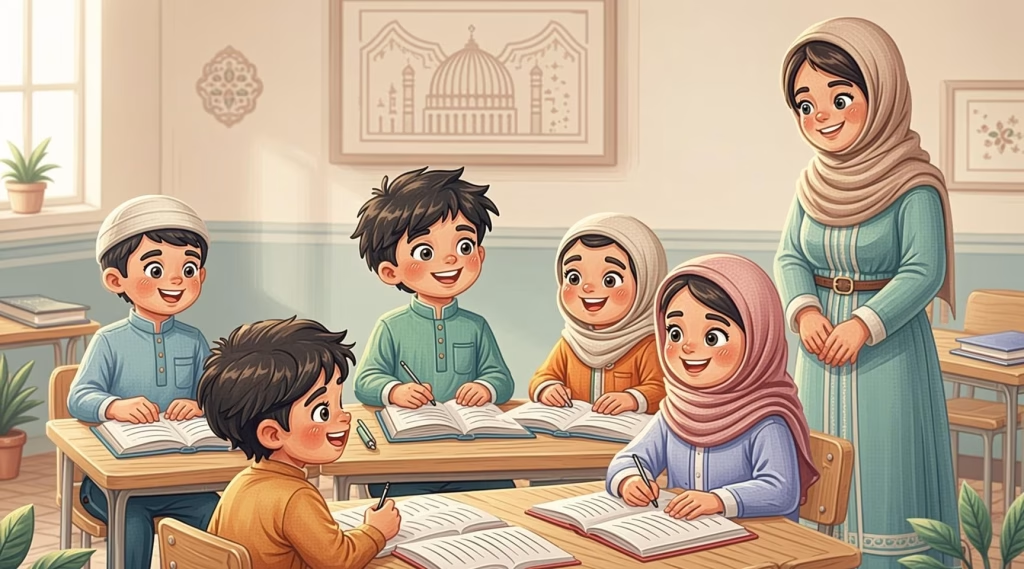
Poems are perfect for younger children and classrooms. They’re short, rhythmic, and easy to memorize.
Why Ramadan Poems Help
- Improve language and memory
- Make Islamic learning playful
- Ideal for bedtime or circle time
Example: Ramadan Poem for Kids
Ramadan is here, the moon shines bright,
We fast, we pray, from dawn to night.
We share, we care, we try our best,
Allah loves kindness more than the rest.
👉 Find more here:
Nasheeds for Kids (Arabic + English)
Nasheeds bring Ramadan into daily life—during car rides, playtime, or classroom breaks.
Why Nasheeds Are Powerful
- Repetition builds love for Islam
- Arabic exposure without pressure
- Great for kids who learn through sound
How Parents Can Use Nasheeds
- Play during suhoor prep
- Use one nasheed all Ramadan
- Sing together, even if imperfect
👉 Explore child-friendly nasheeds here:
FAQs About Ramadan Content for Kids
What is the best Ramadan story for kids?
Short stories with relatable characters and simple lessons work best, especially those focused on kindness, effort, and family.
At what age should children learn about Ramadan?
Children can be introduced as early as age 3–4 through stories and nasheeds. Fasting should be gradual and age-appropriate.
Are poems and nasheeds better than lectures?
Yes. Children absorb values better through repetition, rhythm, and emotion than long explanations.
Should kids fast the whole day?
No. Islam emphasizes gradual learning. Even a few hours with encouragement is enough.
Can non-Arabic speaking kids benefit from Arabic nasheeds?
Absolutely. Listening builds familiarity and love for the language of the Quran, even before understanding every word.
Final Thought for Parents
Ramadan learning doesn’t need to be heavy or perfect. A short story, a simple poem, or a joyful nasheed—done consistently—can shape a child’s love for Islam for life.
Parents who want guided learning may find structured classes helpful.